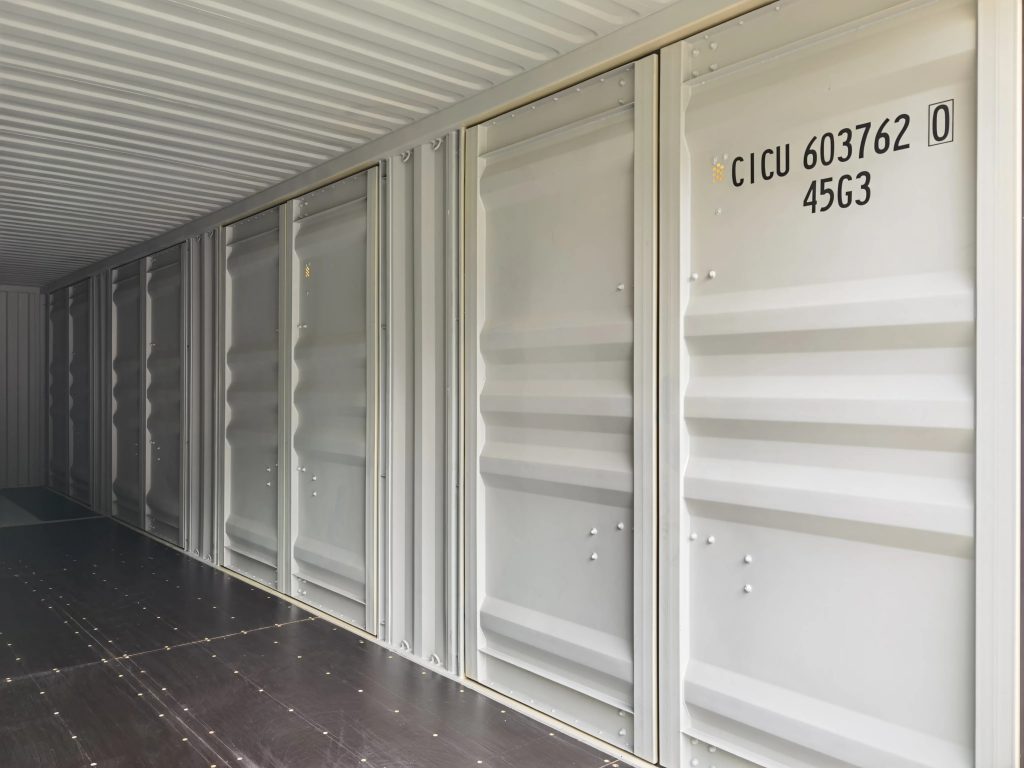
Understanding the 45 Feet Container: A Comprehensive Guide
On the planet of shipping and logistics, containers are the unrecognized heroes that make global trade possible. Among the different kinds of containers used, the 45 feet container stands apart for its distinct dimensions and flexibility. Whether you are a shipping company, a company owner, or a logistics professional, understanding the specs, benefits, and applications of the 45 feet container can boost your performance and efficiency in cargo transportation. This article delves into the world of the 45 feet container, offering essential details in a structured manner.
Table of Contents
- What is a 45 Feet Container?
- Specifications of a 45 Feet Container
- Dimensions
- Weight Capacity
- Materials
- Benefits of Using a 45 Feet Container
- Common Applications
- Comparing Container Sizes
- 20 Feet Container
- 40 Feet Container
- 45 Feet Container
- Frequently Asked Questions (FAQ)
- Conclusion
What is a 45 Feet Container?
A 45 feet container, likewise referred to as a 45-foot shipping container, is a standard intermodal container designed to facilitate the transport of products. This kind of container is primarily used in shipping, storage, and transportation throughout land and sea. The larger size permits a higher volume of cargo, making it a preferable option for lots of companies.
Specifications of a 45 Feet Container
Dimensions
The specific dimensions of a 45 feet container can vary slightly depending upon the producer and the style, however a basic container typically has the following dimensions:
| Dimension | Measurement |
|---|---|
| Length | 45 feet (13.72 meters) |
| Width | 8 feet (2.44 meters) |
| Height | 9.5 feet (2.89 meters) |
Weight Capacity
One of the most vital elements of a shipping container is its weight capacity. A common 45 feet container has an optimum gross weight of roughly 30,480 kg (67,200 pounds), with a tare weight of around 4,500 kg (9,920 lbs). 45ft High Cube Container For Sale provides it a net weight capacity of around 25,980 kg (57,280 lbs).
Products
45 feet containers are mainly built from high-strength steel, which provides sturdiness and resistance to harsh weather. The interior is normally made from wood or steel flooring, depending upon the meant usage. Lots of containers are likewise insulated to protect sensitive cargo from temperature variations.
Benefits of Using a 45 Feet Container
The usage of a 45 feet container comes with different advantages, which consist of:
- Increased Capacity: The larger size implies businesses can ship more items at as soon as, decreasing the variety of journeys.
- Cost-Efficiency: Fewer trips result in minimized shipping costs and lower expenditure on fuel.
- Flexibility: 45 feet containers can be used for various kinds of items, including equipment, cars and trucks, and bulk products.
- Sustainability: Utilizing larger containers can reduce the carbon footprint connected with shipping.
- Effective Space Utilization: The additional space in a 45 feet container permits more creative packaging solutions, which can decrease damage during transit.
Common Applications
45 feet containers are used in various industries and applications, including:
- Manufacturing: Shipping large machinery or bulk basic materials.
- Retail: Transporting completed items for distribution to various areas.
- Agriculture: Shipping perishable products that might need environment control.
- Car Industry: Transporting vehicles or components in an affordable manner.
Comparing Container Sizes
Comprehending how a 45 feet container fits within the wider context of container sizes is essential for logistics planning. Below is a comparison table of the 3 most common container sizes:
| Container Size | Length | Width | Height | Max Gross Weight |
|---|---|---|---|---|
| 20 Feet Container | 20 feet (6.1 m) | 8 feet (2.44 m) | 8.5 feet (2.59 m) | 24,000 kg (52,910 pounds) |
| 40 Feet Container | 40 feet (12.19 m) | 8 feet (2.44 m) | 8.5 feet (2.59 m) | 30,480 kg (67,200 lbs) |
| 45 Feet Container | 45 feet (13.72 m) | 8 feet (2.44 m) | 9.5 feet (2.89 m) | 30,480 kg (67,200 lbs) |
Frequently Asked Questions (FAQ)
1. The number of pallets can fit in a 45 feet container?
Normally, a 45 feet container can hold around 22 standard pallets set up side by side, depending on the kind of cargo and packaging technique used.
2. Is a 45 feet container suitable for global shipping?
Yes, 45 feet containers are appropriate for global shipping and comply with the ISO requirements for intermodal transportation.
3. How does a 45 feet container vary from a 40 feet container?
The primary distinction is the length; a 45 feet container provides additional area, enabling more cargo. They likewise have the same optimum gross weight capability.
4. Can a 45 feet container be converted for other uses?
Absolutely! Lots of companies choose to transform 45 feet containers into pop-up stores, storage units, offices, or even homes.
5. What types of cargo are best matched for a 45 feet container?
Ideal cargo types consist of machinery, cars, bulk products, and other items needing additional space during transit.
The 45 feet container functions as a critical element in logistics, allowing services to optimize their cargo transportation. With its bigger capacity, adaptability, and effectiveness, it holds a prominent location in the shipping industry. Understanding these containers' requirements, advantages, and common applications can significantly benefit business seeking to streamline their supply chain processes. As Internal Dimensions Of 45 Ft Container continue to develop in today's global economy, the 45 feet container stays a trustworthy alternative for efficient and economical shipping practices.